
25 of the best things to do in Sussex



If you’re looking for the best things to do in Sussex, then you’ve come to the right place because here at Hello Sussex blog we share the best of beautiful East and West Sussex, two coastal counties in south east England.

Sussex is packed with history, natural beauty, and plenty of ways to fill a weekend, or longer. From the rolling hills of the South Downs National Park to the hip seaside city of Brighton and Hove, Sussex has something to suit the whole family. I’ve lived in Sussex my whole life, both East and West, so am well placed to share the best things to see and do.
Whether you like wandering through medieval castles, exploring quirky seaside towns, or enjoying fresh seafood with a sea view, both East and West Sussex offer unforgettable experiences.
Fancy a countryside escape? Head to Arundel or Lewes. Love the coast? Don’t miss Rye, Beachy Head and Eastbourne. And if history’s your thing, you’ll find everything from Norman battlefields, castles, Tudor houses and Roman mosaics all waiting to be explored.
Ready to plan your Sussex adventure? Read on for the best things to do across the county plus one or two hidden gems only us locals know about. You can also check out our sections on attractions, walks, events, places to stay, food and drink and shopping.
Sussex Beaches
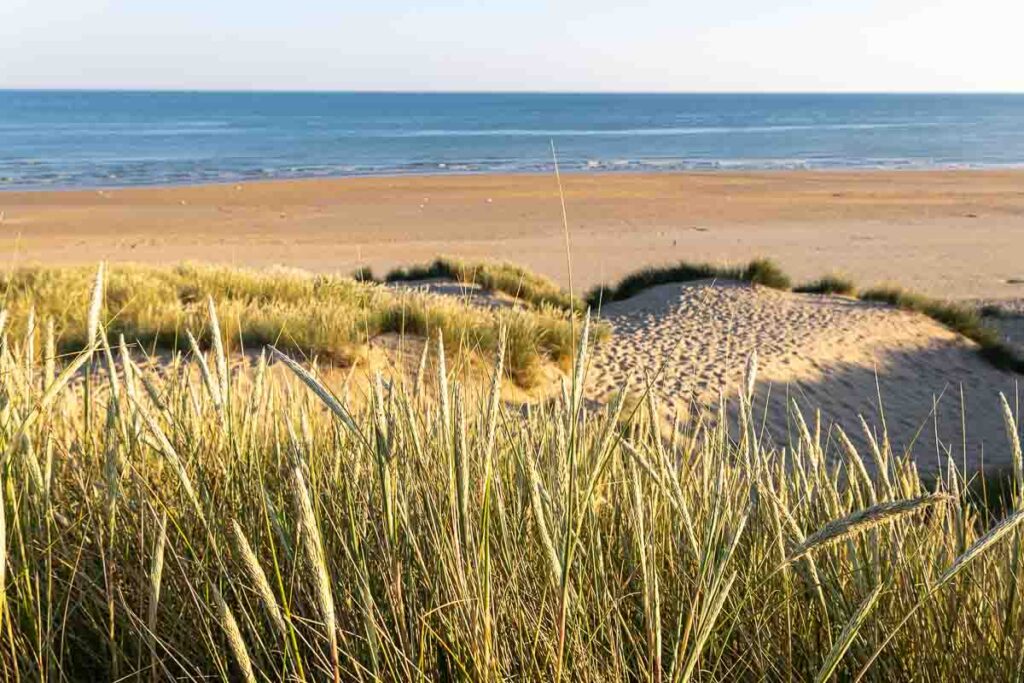
Since the two counties sit on around 225 km of coastline Sussex is a great place for beaches and seaside, both of which are a draw for many visitors. There are 23 beaches in East Sussex and another 27 beaches in West Sussex, so there’s plenty of choice for a great family day out.
From the golden dunes of Camber Sands to Brighton’s iconic pebble beach and the gorgeous beach at West Wittering – all make easy daytrips from London.
Marina St Leonard’s, Hove Lawns and West Wittering Beaches have all been awarded Blue Flags for 2025 and nine other Sussex beaches have received Seaside Awards this year.
Sussex Cities

Sussex is home to two cities; Chichester in West Sussex and Brighton & Hove in East Sussex.
Chichester is the county town of West Sussex with plenty to see including Chichester Cathedral set within the Bishop’s Palace Gardens, Pallant House Gallery and Fishbourne Roman Palace. There’s a raft of independent shops, a market cross, Festival Theatre and plenty of good restaurants to visit. Nature lovers will enjoy nearby RSPB Pagham Harbour Nature Reserve and wildlife around Chichester Harbour.
Brighton and Hove is a fun seaside city with a hip, happening vibe. As well as the beach, historic Brighton Palace Pier, the modern Brighton i360 and Brighton Pavilion there are loads of fun things to do. Think zip-lining, a Sea Life Centre and exploring the ancient Brighton Lanes or the more bohemian North Laine. You might want to check out our post 22 Top Things to do in Brighton for the best things to see and do in the city.
Sussex Towns
As well as the bigger Sussex towns like Hastings, Eastbourne and Worthing offering a mix of seaside buzz, piers and promenades you’ll find plenty of smaller historic towns in Sussex.
Rich in culture, charm and heritage some Sussex favourites are Rye, Steyning, Arundel and Petworth.
Sussex Villages

If you love pretty countryside villages and cute coastal cottages you’re spoilt for choice in Sussex. If you’re visiting West Sussex head to Bosham and Amberley and if you’re in East Sussex don’t miss charming Alfriston and East Dean. Read more about the prettiest villages in Sussex.
The Royal Pavilion, Brighton


Brighton’s Royal Pavilion must be the most unique and iconic palace in the country. With its exotic onion domes, ornate interiors and colourful history it’s a must see Brighton attraction and one of the best things to do in Sussex.
In the Christmas season Brighton Pavilion is also the flamboyant backdrop to a festive ice rink.
English Heritage
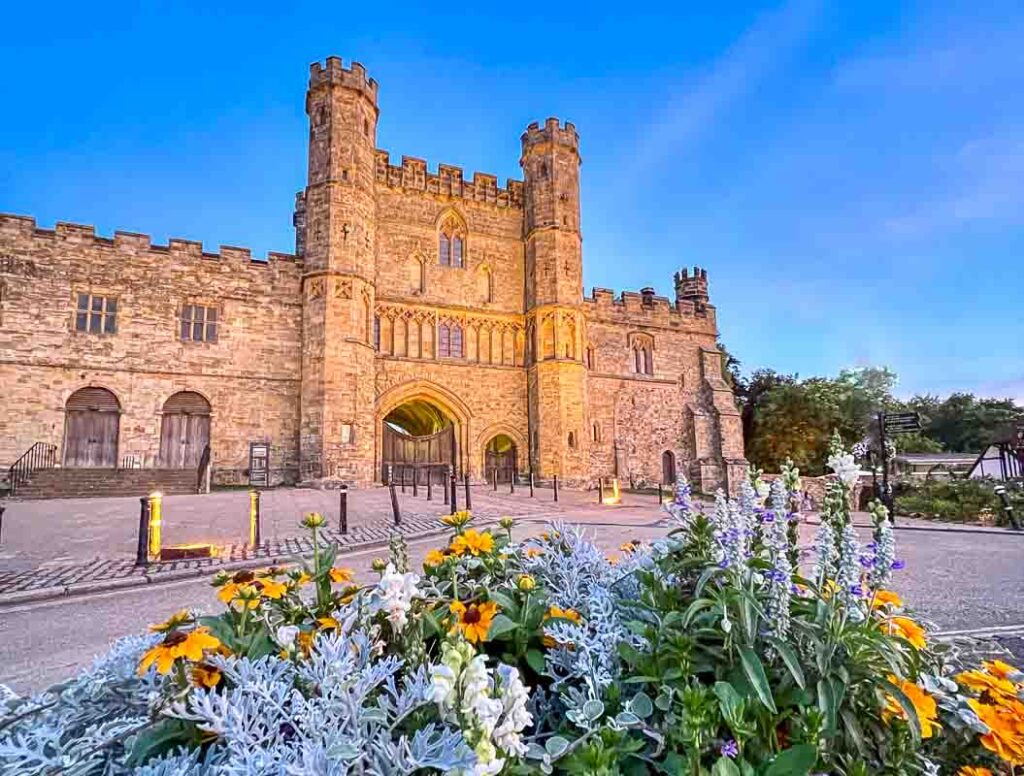
English Heritage manages over 400 historic sites across England and five of them are in the country of Sussex. Most English Heritage properties are castles, monuments and ancient fortifications.
Probably the best preserved is Battle Abbey which makes for a fabulous day out to the site where the Battle of Hastings took place in 1066. Read how to best spend a day at Battle Abbey.
The remaining English Heritage site in Sussex are all castles; Pevensey Castle, Bramber Castle and Camber Castle.
Today, all that remains of the Boxgrove Priory are the ruins of the 14th century guest house but the lovely old church dedicated to St Mary and St Blaise remains and welcomes visitors.
Castles in Sussex
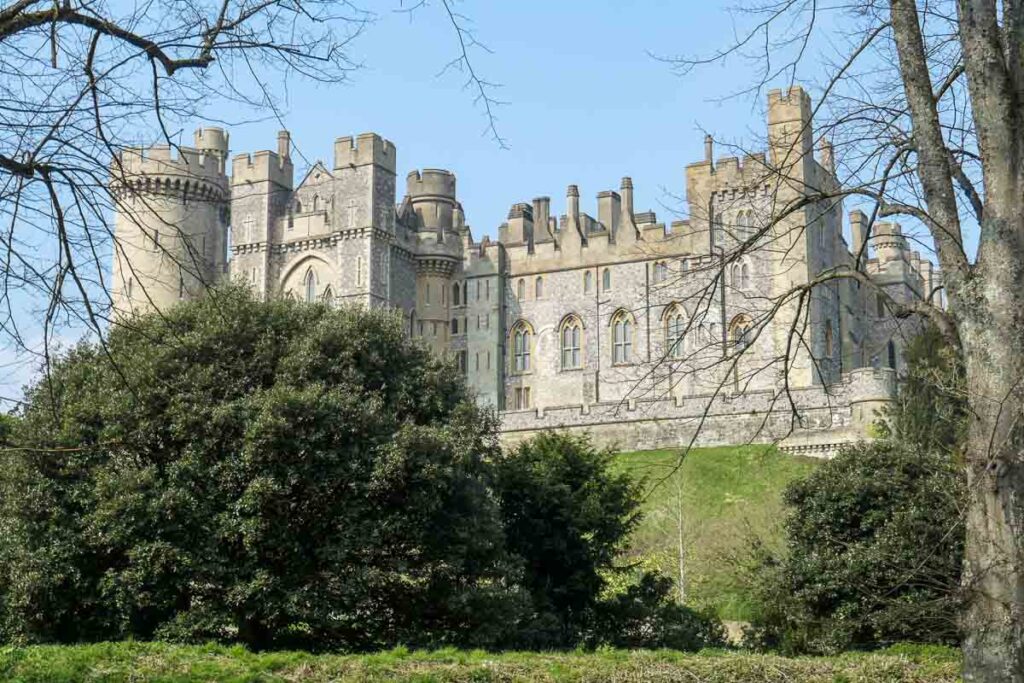
There are 12 historic castles in East and West Sussex all built to defend the English coastline from invaders. Some are still fairly intact while others are just ruins, like Bramber Castle.
The best castles to visit include Bodiam Castle, a classic moated castle which sits in acres of countryside in East Sussex and is run by the National Trust.
Arundel is an imposing castle which sits by the River Arun in West Sussex. Arundel Castle, which is still residential, is open from early April to early November each year. The interior and gardens are open to visitors and there’s a Tulip Festival in Spring. A visit to Arundel Castle is one of the best things to do in Sussex for history lovers.
Pevensey Castle, Bramber Castle and Camber Castle are all run by English Heritage and Lewes Castle is also well worth a visit.
National Trust Properties in Sussex

If you love looking around historic houses, you’ll love the beautiful National Trust properties in Sussex. You don’t have to be a member to visit them, but National Trust members enjoy free entry to more than 500 locations across the country and free parking at most National Trust car parks.
East Sussex National Trust properties include Alfriston Clergy House, which was the first built property acquired by the National Trust, and several authors’ homes including Rye’s Lamb House, which was home to Henry James between 1897 and 1914, and is now a writer’s museum.
Virginia Woolf’s home, Monk’s House, is a 16th-century cottage in the village of Rodmell, and Bateman’s house was home to Rudyard Kipling from 1902 until his death in 1936.
Over in the west of the county, you’ll find Nymans, a beautiful Grade II listed garden which has been responsible for developing several varieties of plants.
The Grade I listed Petworth House was the southern home of the Percy family for centuries and is famous for its art collection and Capability Brown landscaped deer park.
If you love William Morris, Standen in East Grinstead is the perfect place to visit. The Arts and Crafts house is decorated throughout with Morris wallpaper, fabrics, and furnishings designed by Morris, and even has its original 1890s electric light fittings.
Other fabulous National Trust properties in West Sussex include the country estate at Wakehurst, home of the Millennium Seed Bank, and Uppark, a 17th-century Grade I listed house in South Harting.
Birling Gap is a beautiful spot near to Seven Sisters cliffs which is also run and owned by the National Trust.
Country Houses and Stately Homes in Sussex
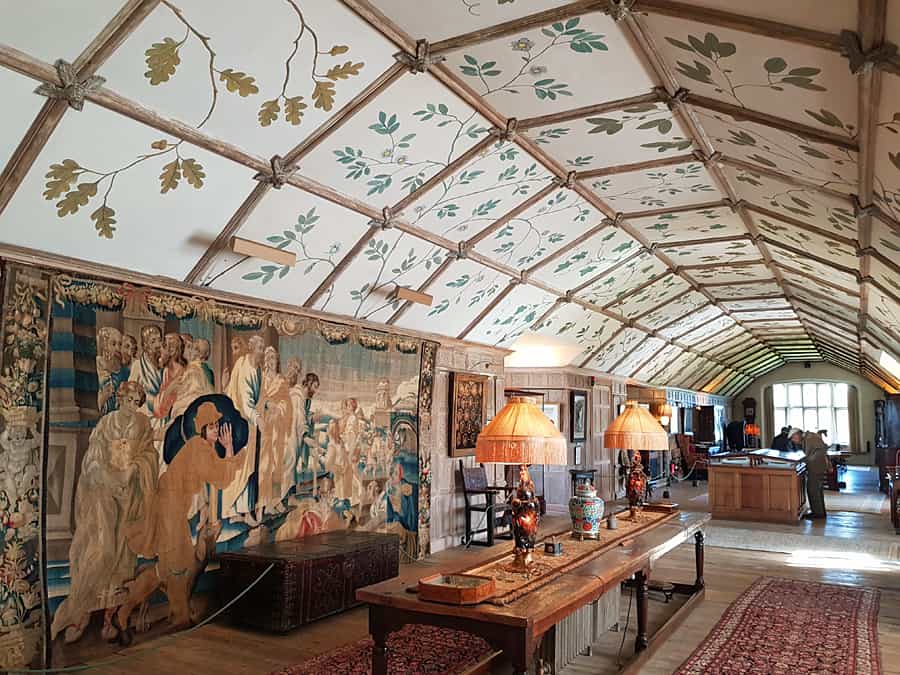
Sussex also has many other stately homes and country houses that don’t fall under the National Trust banner.
Preston Manor was once the manor house in the ancient village of Preston, which now forms part of Brighton and Hove. The original 13th-century house was rebuilt in the 1700s and then extended in 1905 to give the elegant Georgian stately home you see today.
Parham House lies between Storrington and Pulborough in West Sussex, and is one of England’s finest Elizabethan houses. You can explore the house’s Great Hall, Long Gallery, and fascinating collection of artworks and antiquities and then wander through the beautiful Pleasure Grounds, Walled Garden and 1920s greenhouse.
Historic Buildings in Sussex
Other historic buildings in East Sussex include the modernist Charleston Farmhouse in the village of Firle. It’s associated with the Bloomsbury Group of artists and holds several special events throughout the year.

You can explore 800 years of history at Michelham Priory near Hailsham. The gatehouse dates back to the 1500s, and the house also has a working watermill and a Grade II listed dovecot, which now houses a tearoom and shop.
Anne of Cleve’s House is a timber-framed house in Lewes, East Sussex, that is furnished in authentic 16th-century fashion. As the name suggests, the house was once owned by Anne of Cleves, although she never actually visited it.
Over in West Sussex, the Priest House in West Hoathly is a 15th-century timber-framed hall that houses a museum of local life. Its beautiful garden is opened to the public twice each year and is well worth a visit.
You might also like to visit the ruined Boxgrove Priory, which lies 15 minutes northeast of Chichester. It was founded for the Benedictine Monks and became the village’s parish church after the Dissolution of the Monasteries.
The Sussex coastline also has 47 Martello Towers dotted between Rye and Seaford. These small, round fortresses were built to defend the coastline during the Napoleonic Wars.
Vineyards visits, one of the best things to do in Sussex

From award-winning Sussex Sparkling wines that rival those of Champagne to crisp whites and elegant reds, the vineyards and wineries of Sussex are crafting exceptional vintages that are earning global acclaim.
There are around 140 vineyards in Sussex so we have a whole post dedicated them. Check out some of our favourite Sussex Vineyards in this post.
Seaside Piers in Sussex
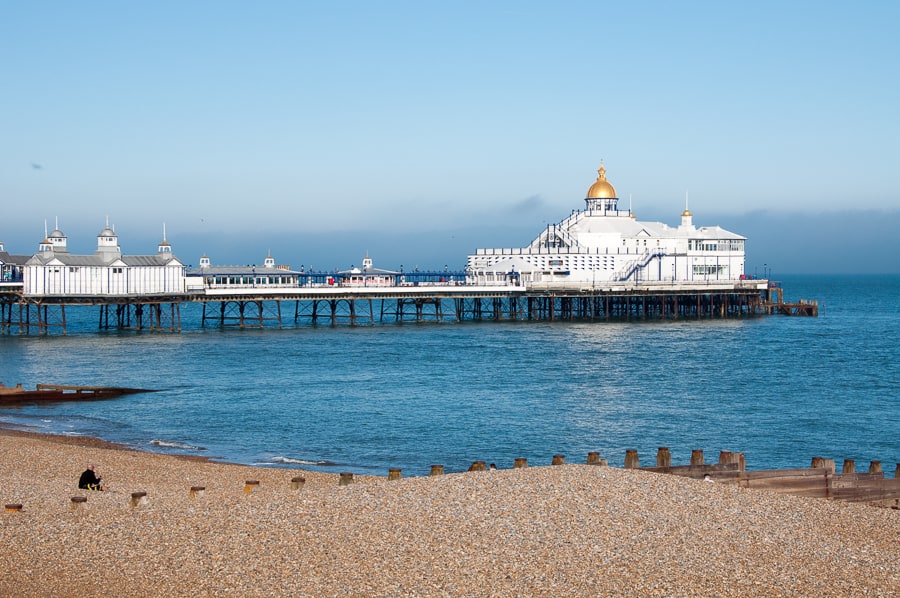
Piers are the grand dames of the British seaside, bringing a distinctive charm and sense of nostalgia to our promenades and seafronts. East Sussex is blessed with three splendid Victorian piers, alongside the evocative ruins of Brighton’s famous West Pier. West Sussex is home to two piers at Worthing and Bognor.
Scenic Sussex Walks

The beautiful Sussex countryside is perfect for walking, hiking and cycling. In fact this is one of the best things to do in Sussex for free.
The King Charles III England Coast Path (KCIIIECP), also known as the England Coast Path, links several existing paths, including the Saxon Shore Way, which stretches from Gravesend in Kent along the Sussex coastline to Hastings in East Sussex.
Winnie the Pooh fans won’t want to miss a chance to throw Pooh sticks over the bridge at Ashdown Forest. And Halnaker Tree Tunnel makes a magical autumn stroll.
Other great options for scenic walks in East Sussex include Devil’s Dyke, a deep valley on the beautiful South Downs, Friston Forest and the famous Seven Sisters cliffs overlooking the English Channel near Beachy Head.
The 217-high Firle Beacon hill offers stunning views over the South Downs, and you’ll also find a Neolithic long barrow and several round barrows nearby.
Visitors to West Sussex can explore the Site of Special Scientific Interest at Cissbury Ring hill fort near Worthing. This popular spot is also the site of one of the first flint mines in Britain, dating back around 6000 years to Neolithic times.
Another SSSI, Kingley Vale, lies just outside Chichester, and offers a nature trail, bridleways, and several walks highlighting ancient sites such as the Romano-Celtic temple at Bow Hill. There’s also an impressive yew forest with some trees up to 2000 years old!
Museums in Sussex
On a rainy day, you can pass a few hours in Sussex museums, including Bexhill Museum, where you’ll find diverse exhibits ranging from Ancient Egyptian artefacts to WWII technology. Hastings Museum focuses on world cultures and natural history, while the Ditchling Museum of Art and Craft showcases the artisans who made Ditchling a hive of creative activity in the 1900s.
Brighton Museum and Art Gallery boasts one of the county’s most impressive collections, ranging from fine art and textiles to natural sciences and the media. It also represents excellent value, with entry costing just £9.50 for an annual pass, discounted to £7 for local residents.
The Novium Museum in Chichester, West Sussex, takes its name from the city’s Roman name, Noviomagus Reginorum. It houses an impressive collection of historic and archaeological artefacts, including the remains of Chichester’s Roman Bath House complex.
You’ll find more recent history celebrated at Tangmere Military Aviation Museum is an excellent place for anyone interested in the Royal Air Force and the history of aviation. Aircraft dating from the First World War to the Cold War are on display here, including the Hawker Hunter that broke the airspeed record in 1953.
The Weald and Downland Living Museum in Singleton stretches over 40 acres and has more than 50 historic buildings built between 950AD and the 1800s. You can take part in activities including weaving and cooking, and the museum hosts seasonal events throughout the year. You might recognise it from BBCs The Repair Shop.
Amberley Museum is located in a former chalk query, about a mile from the village centre and makes a fabulous day out for all the family.
The Marlipins Museum in Shoreham-by-Sea is one of the oldest buildings in Sussex. The Grade II listed Norman building has a striking flint and limestone chequerboard façade and houses a collection of maritime exhibits from the Sussex coast and other local items of interest.
Art Galleries in Sussex

There are also plenty of beautiful art galleries in Sussex, ranging from the 20th-century British and European works on display at Pallant House Gallery, Chichester, to the contemporary art housed in the Grade II-listed Georgian townhouse of Newlands House Gallery in Petworth.
You can’t miss the Turner Gallery, Eastbourne due to its colourful facade, an installation by Lothar Gotz. It’s part of the Coastal Culture Trail which also includes Hastings Contemporary and the De La Warr in Bexhill-on-Sea. If you’re interested in Modernist architecture as well as contemporary art exhibitions and concerts this should be on your Sussex wish list.
Farleys House and Gallery celebrates the lives of its former residents: surrealist artist Roland Penrose and photographer Lee Miller. A selection of artworks is displayed within the house, and there are also two art galleries housed in a converted 19th-century barn and a larger warehouse building.
Beautiful Gardens to visit in Sussex

Sussex is home to some beautiful gardens, from the majestic parklands of stately homes to enchanting intimate walled gardens overflowing with colour.
Sheffield Park and Gardens has some stunning autumn foliage. East Dean is a favourite West Sussex garden along with Pashley Manor in East Sussex.
Sussex Windmills
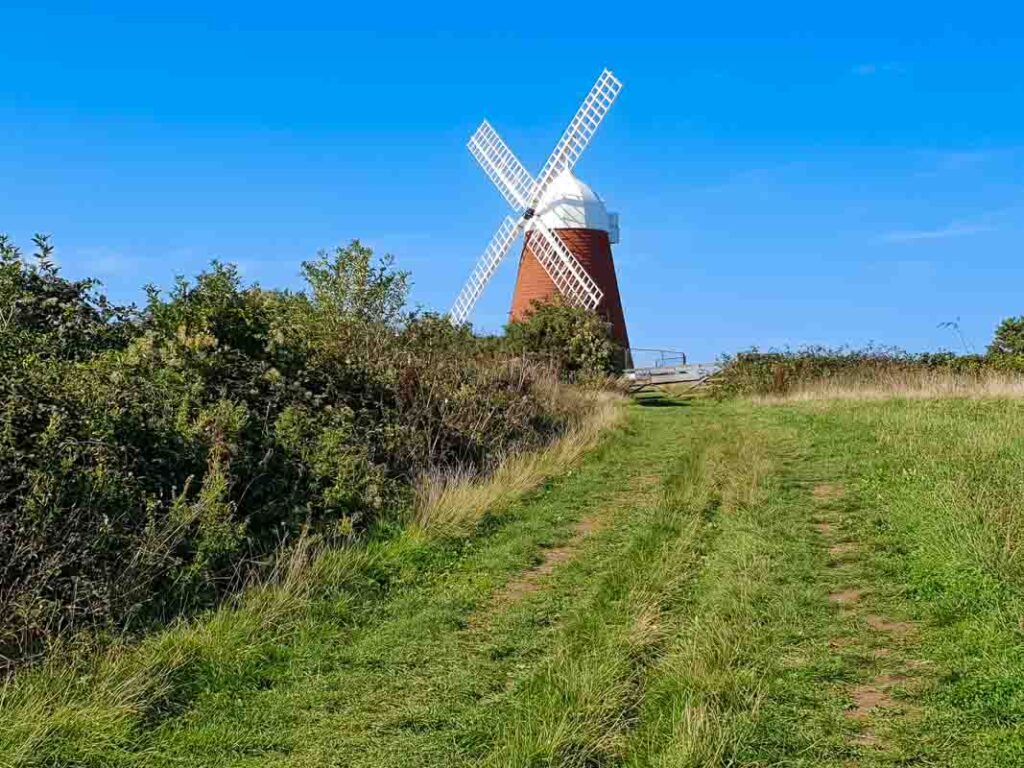
Windmills were once a common feature of the Sussex landscape. You can still see a few dotted around the county, including four restored working mills.
The restored Beacon Mill smock mill on the coast at Rottingdean, East Sussex, now acts as a seamark. Windmill Hill Mill at Herstmonceux has been restored to full working order and is open to the public on Sundays between Easter and October.
The Clayton Windmills in West Sussex are also known as the Jack and Jill Windmills. Jack is one of the rare windmills to carry a male name, and worked until 1907, while Jill is still a working mill.
The Halnaker windmill is an iconic local landmark. The windmill itself is closed to the public, but its position on Halnaker Hill offers stunning views of the surrounding farmland, woods and coastline.
Heritage Railways in Sussex
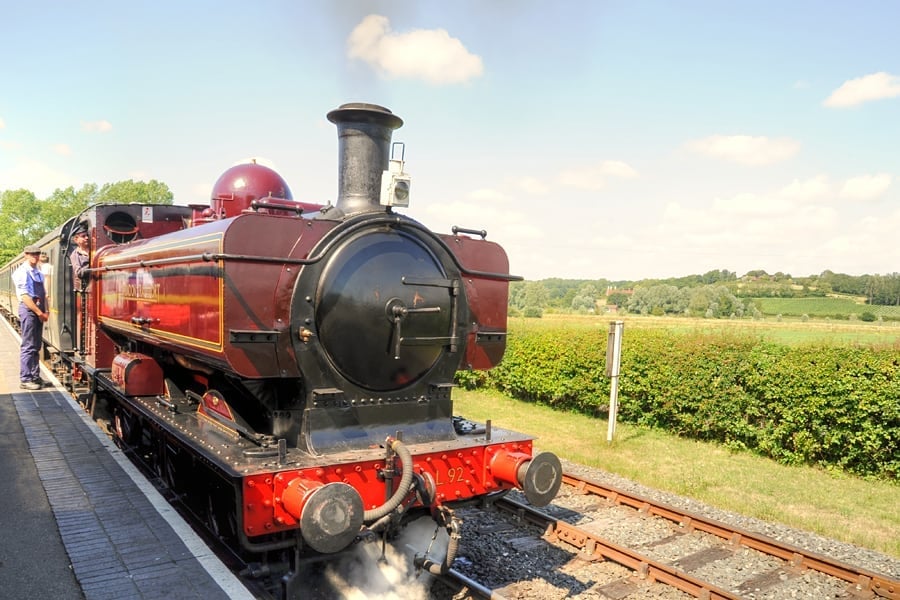
There’s no sight quite like a steam train puffing through beautiful countryside, and steam train fans can choose from two fantastic heritage lines in Sussex.
The Bluebell railway operates steam trains between Sheffield Park and East Grinstead. Its public service was launched in 1960, making it the first standard-gauge steam-operated heritage railway in the world.
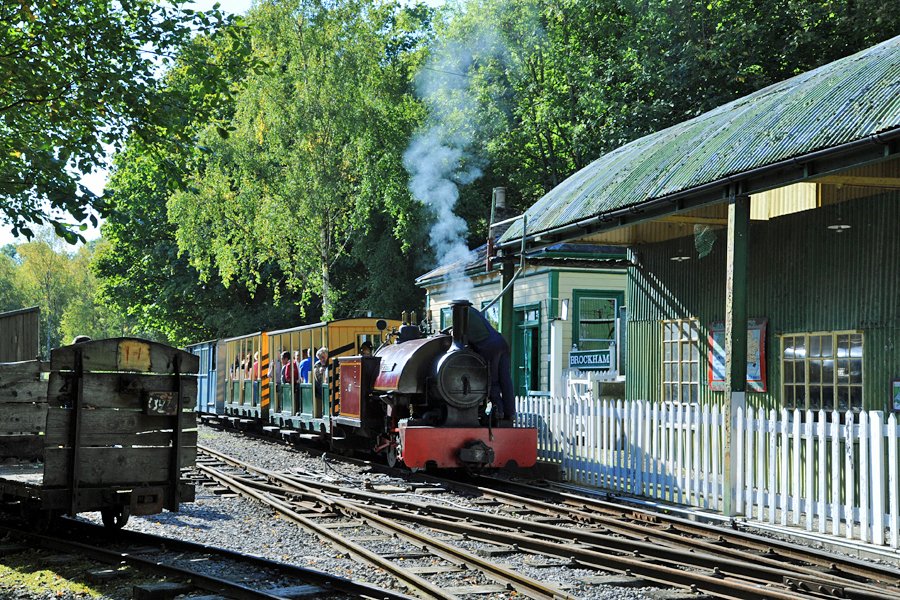
Visitors to East Sussex can travel on the Kent and East Sussex Railway through the Rother Valley between Tenterden Town station and Bodiam. Most of the services are pulled by steam trains, however some services use diesel locomotives.
Ouse Valley Viaduct aka Balcombe Viaduct
Whilst on the subject of railways, don’t miss the Ouse Valley Viaduct, aka Balcombe Viaduct. If you’ve ever taken the train from London Victoria to Brighton, you’ll have passed over it and probably didn’t even realise the architectural beauty that lay beneath the tracks. Read our guide to visiting Ouse Valley Viaduct, it’s one of the best things to do in Sussex for Instagrammers!

Roman Palaces in West Sussex
Take a step back in time by visiting the Roman palaces in Sussex.
Bignor Roman Palace near Pulborough was originally built as a Roman farmstead around 190 AD and later expanded into a 65-room villa. Only a few sections of the building remain today, but you can also see a scale model of the villa’s original layout. There’s a small exhibition of Roman artefacts, but the main highlight is the 79-foot mosaic floor, which was once 230 feet in length.
Fishbourne Roman Palace near Chichester is a little older, probably dating from around 75AD. It’s the largest Roman building in Northern Europe and has some of the best Roman mosaic floors in England. One wing of the palace is housed within a large building, and you can see the outline of the remaining sections outside. It’s worth taking the self-guided tour to learn more about this fascinating historical site.
Nature Reserves and Parks in Sussex

The South Downs range of chalk hills stretches across around 260 square miles of south east England from Hampshire to East Sussex. The South Downs National Park is the UK’s most-visited national park, and has over 2000 miles of well-maintained hiking trails and bridleways, including the South Downs Way and the Monarch’s Way. Other popular outdoor activities on the South Downs include mountain-biking and paragliding.
Rye Harbour Nature Reserve extends off Rye Harbour Beach, one of the best beaches in East Sussex. This Site of Special Scientific Interest is home to over 280 species of birds and 450 flowering plant species, including two endangered species.
Other great options for nature lovers in East Sussex include Malling Down nature reserve, near Lewes, and Hastings Country Park, which is an Area of Archaeological Interest. Combe Valley Countryside Park, between Hastings and Bexhill, is a smaller park, but also worth a visit. We discovered it during lock down.
Knepp Wildland is England’s first major lowland rewilding project, covering 3,500 acres of former farmland in West Sussex. There are 16 miles of footpaths to explore, and many rare species live on the Wildland, including turtle doves, barbastelle bats and even the first wild beavers living in Sussex for 400 years.
Pagham Nature Reserve is a 1480-acre area of diverse habitats managed by the RSPB. It’s a great place for bird enthusiasts to visit with a wide range of species making their home in the reserve.

Woodsmill Nature Reserve near Henfield in West Sussex is a 47-acre reserve run by Sussex Wildlife Trust and is free to visit. Walks past old ponds and the lake, through ancient woodland, by streams and waterways make for a good day out in the countryside.
Animal Attractions
Animal parks, farms and zoos are great for a family day out in Sussex, and the county has some great options to choose from.
The award winning Drusilla’s Park originally opened in 1925 as Drusilla’s Tea Cottage, and now attracts over 350,000 visitors each year. It’s a great family day out where you can see a variety of both domestic and exotic animals, including lemurs, meerkats and the ever-popular penguins. There are also some fun activities for kids, including an adventure playground and a Safari Express train ride.
Blue Reef Aquarium in Hastings is another popular attraction for the whole family with over 40 displays filled with sea creatures such as sharks, stingrays and seahorses. The aquarium’s top highlight is its underwater tunnel that lets you walk through a large ocean display.
Other great options in East Sussex include Horam Manor Farm, Raystede Animal Rescue and Sanctuary in Lewes and Manor Farm also near Lewes.
In the west of the county, you’ll find other popular attractions, including Fishers Adventure Farm Park, which combines exciting animal encounters with outdoor adventure. More than 40 rides and attractions include farm shows, quad bikes, tractor rides, and a climbing wall.
A more traditional farm day out can be enjoyed at Tulleys Farm, which is currently run by the fourth generation of the Beare family. The farm runs seasonal events like the annual Tulip Fest, Shocktober Fest and Christmas experience, and its popular tea room is open all year round.
Brighton Sea Life is the world’s oldest operating aquarium and first opened its doors to visitors in 1872.
Sussex Chalk Hill Figures

There are around 57 chalk hill figures carved into the hills across southern England. Two of these are located in East Sussex: The Long Man of Wilmington and Litlington White Horse.
A chalk hill horse was originally cut into the South Downs landscape near Litlington in 1830, but the White Horse you see today was cut around a century later. The 72m tall Long Man of Wilmington is around 3 miles away from the White Horse and is believed to date back to the 16th or 17th century.
Glyndebourne Opera House
Glyndebourne, near Lewes in East Sussex, is more than just a 600-year-old country house. It’s also the site of the annual Glyndebourne Festival Opera, which has taken place in the summer months since 1934 in Glyndebourne’s purpose-built opera house. The original opera house only hosted 300 guests, but this was replaced in 1994 by a brand-new theatre seating 1200 people.
Glyndebourne’s stunning gardens are open throughout the festival, which runs between May and August each year. They also welcome visitors on selected dates throughout the year.
See Sussex from the Water
Set out on a fast paced rib ride with Brighton Boat Trips and see the Seven Sister’s from the water. You can also visit Rampion Offshore Wind Farm and if you’re lucky the dophins might treat you to a swim past.
Also check out the Rampion Visitor Centre on Brighton seafront on your return for a fascinating insight into how the wind farm works.
Hopefully our list of the best things to do in Sussex has given you some ideas of what to do on your next visit. And with any luck there are more than a few things that you didn’t know about before reading this post. Enjoy your visit to Sussex and if you have any questions just drop us a line and we’ll help if we can.

